Iowa Coal Country: County Histories of Iowa's Coal Mines
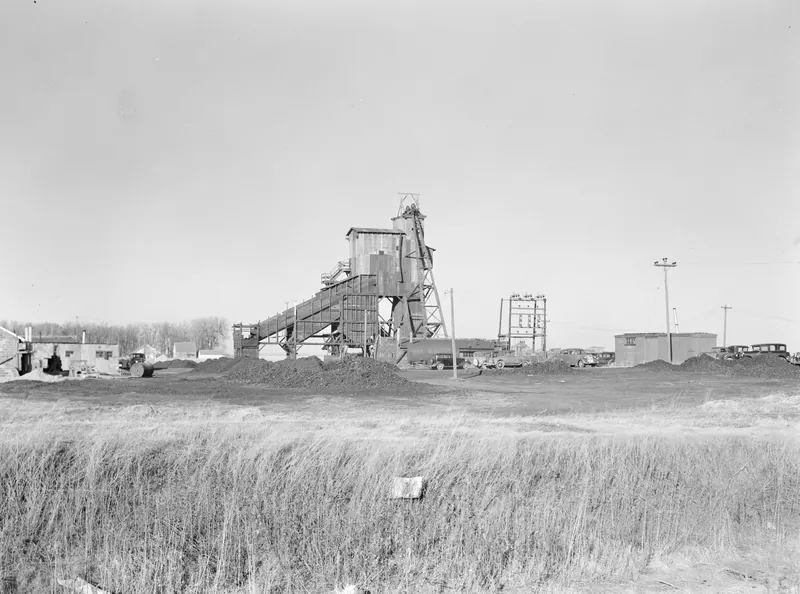
A coal mine in central Iowa, photographed by Russell Lee for the Farm Security Administration in December 1936.Russell Lee. Library of Congress. Source record. Public domain.
Coal shaped a band of southern and central Iowa, from Fort Dodge and Boone down through Des Moines to Albia, Ottumwa and Centerville. Miners came from Wales, England, Scotland, Ireland, Sweden and the eastern coal fields, and many Iowa family trees run through a coal camp that no longer exists. These 12 pages tell the story of Iowa coal mining county by county, written only from the old county histories, with every source cited.
Federal census. From 1850 on, the census lists each man's occupation. Look for "coal miner" or "miner," the township, and his birthplace and his parents' birthplaces, which often point to another coal region or another country.
Death records and cemeteries. Search our Iowa database by surname. Many coal camps had their own cemeteries, which outlived the towns.
Mine inspectors' reports. State mine inspectors published regular reports on the mines in their districts, including accidents.
The county histories. Each page here links the books it was written from. Their biographical sections name operators, superintendents, and miners, with parents, spouses, and where the family came from.
Newspapers. Local papers carried mine openings, strikes, accidents, and obituaries. Chronicling America, from the Library of Congress, is free to search.
Was your family in Iowa coal country?
Tell us one grandparent's name. We'll take a free first look at the records and email you back.
The pages here cover Appanoose, Boone, Dallas, Keokuk, Lucas, Mahaska, Marion, Monroe, Polk, Wapello and Webster counties, as the old county histories describe them. Each page names the mines, companies and camps its books record.
How do I find out if my ancestor was a coal miner in Iowa?
Start with the census: from 1850 on it lists occupation, so look for 'coal miner' or 'miner' and note the township. Then read the county history for that county and look for the state mine inspectors' reports.
Are these pages based on real sources?
Yes. Each county page is written only from public-domain county histories, names the books, and links to the full text on the Internet Archive.
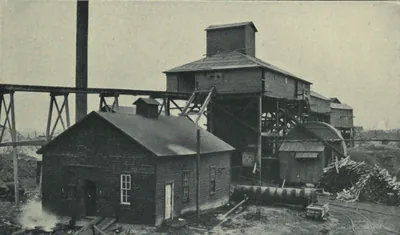 Coal Mining in Appanoose County, Iowa, 1870s to 1912
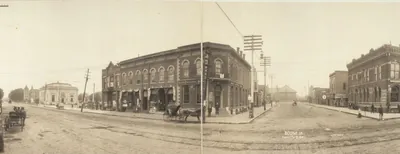 Coal Mining in Boone County, Iowa, 1850s to 1880
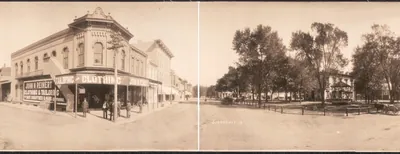 Coal Mining in Keokuk County, Iowa: What Cheer and Thornburg
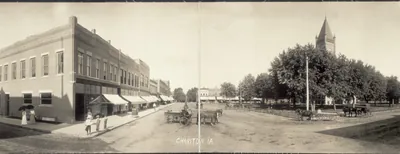 Coal Mining in Lucas County, Iowa: Cleveland, Lucas and Chariton
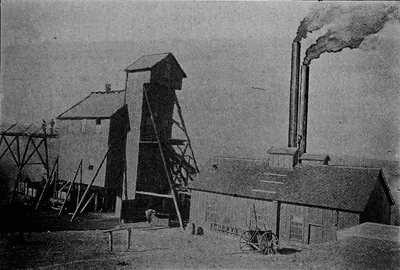 Coal Mining in Monroe County, Iowa: Albia, Avery, Foster, Hiteman
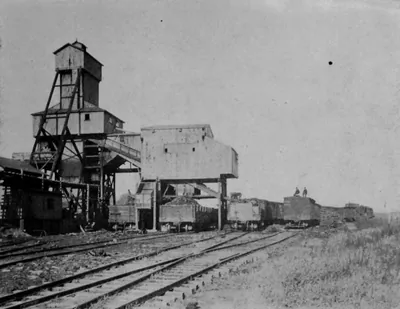 Coal Mining in Polk County, Iowa: Des Moines to Saylor Township
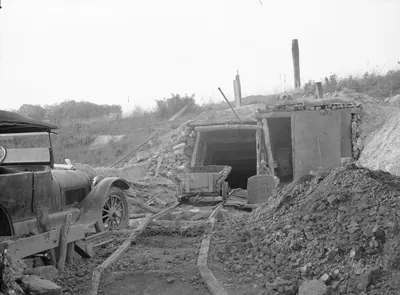 Coal Mining in Wapello County, Iowa: Ottumwa, Kirkville and Keb
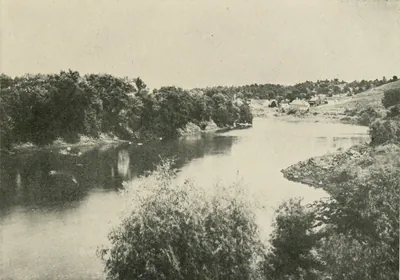 Coal Mining in Webster County, Iowa: Lehigh, Kalo, Coalville
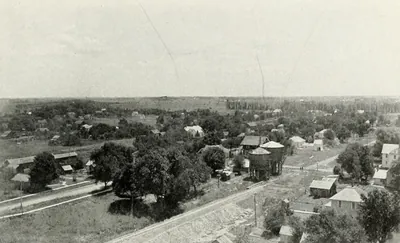 Madrid, Angus and the Boone County Coal Camps, Iowa, 1880 to 1914