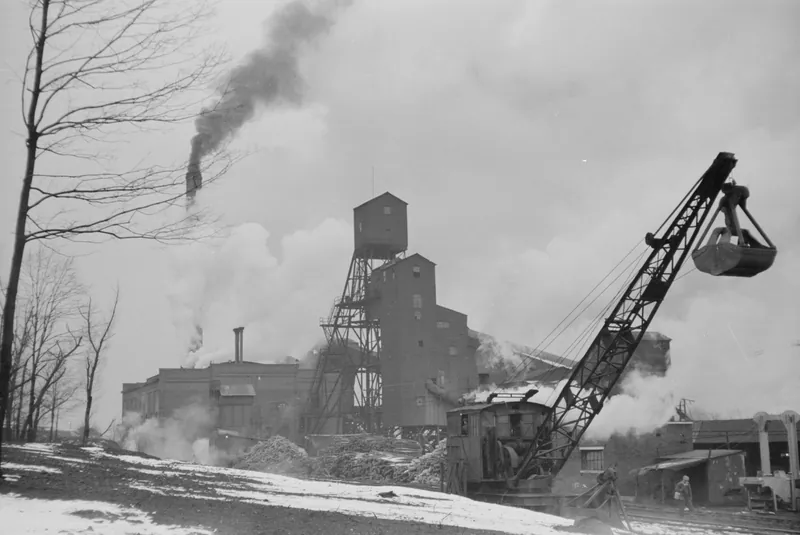
These 13 pages tell the story of Illinois coal mining county by county, written only from the old county histories, with every source cited.
The counties
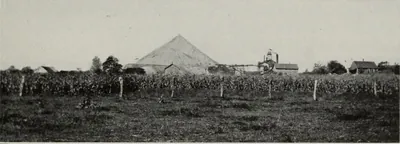 Coal Mining in Bureau County, Illinois: Sheffield, Mineral, Princeton
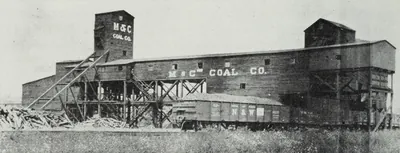 Coal Mining in Christian County, Illinois: Edinburg and Pana
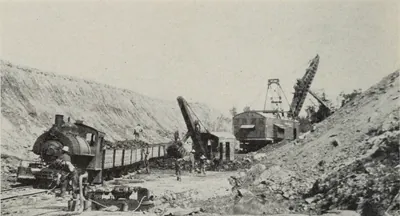 Coal Mining in Fulton County, Illinois: Canton, Cuba, Astoria
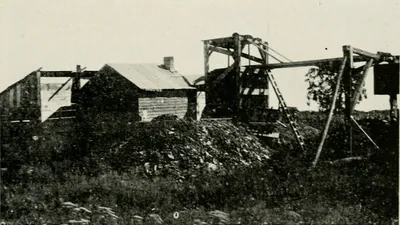 Coal Mining in Grundy County, Illinois: Morris, Gardner, Braceville
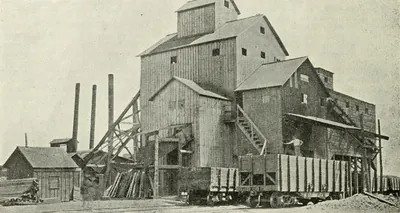 Coal Mining in La Salle County, Illinois: Streator, La Salle, Peru
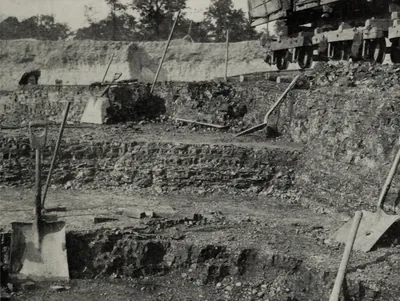 Coal Mining in Livingston County, Illinois: Fairbury to Streator
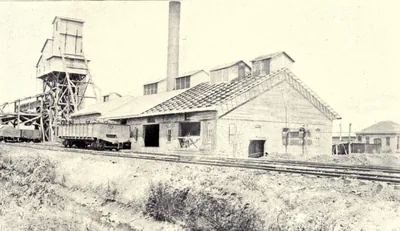 Coal Mining in Macoupin County, Illinois: Staunton to Virden
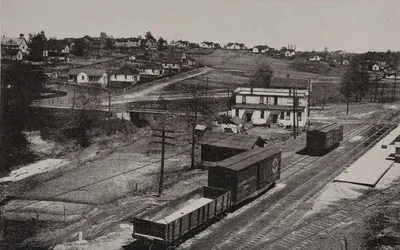 Coal Mining in Madison County, Illinois: Collinsville to Worden
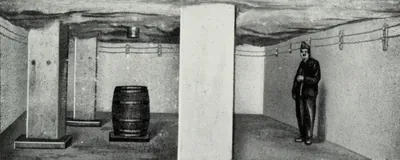 Coal Mining in Sangamon County, Illinois: Riverton and Dawson
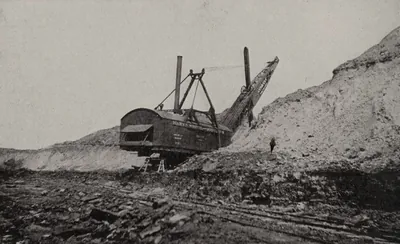 Coal Mining in St. Clair County, Illinois: Belleville to Freeburg
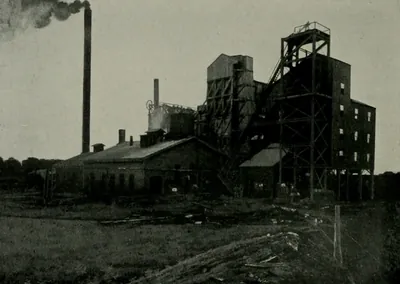 Coal Mining in Vermilion County, Illinois: Grape Creek to Westville
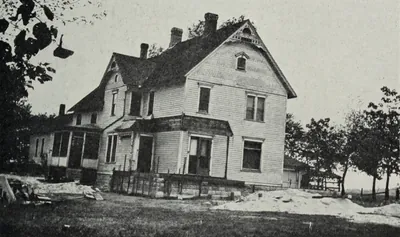 Coal Mining in Will County, Illinois: Braidwood and Reed Township
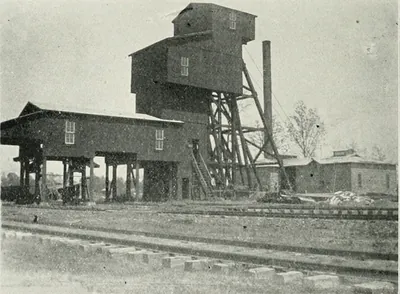 Coal Mining in Williamson County, Illinois: Carterville and Marion
Coal country in the other Midwest states →
Tracing a coal-mining ancestor in Illinois
- Federal census. From 1850 on, the census lists each man's occupation. Look for "coal miner" or "miner," the township, and his birthplace and his parents' birthplaces, which often point to another coal region or another country.
- Death records and cemeteries. Search our Illinois database by surname. Many coal camps had their own cemeteries, which outlived the towns.
- Mine inspectors' reports. State mine inspectors published regular reports on the mines in their districts, including accidents.
- The county histories. Each page here links the books it was written from. Their biographical sections name operators, superintendents, and miners, with parents, spouses, and where the family came from.
- Newspapers. Local papers carried mine openings, strikes, accidents, and obituaries. Chronicling America, from the Library of Congress, is free to search.
Tell us one grandparent's name. We'll take a free first look at the records and email you back.
Ask about my family →Frequently asked questions
Where were Illinois's coal mines?
The pages here cover Bureau, Christian, Fulton, Grundy, La Salle, Livingston, Macoupin, Madison, Sangamon, St. Clair, Vermilion, Will and Williamson counties, as the old county histories describe them. Each page names the mines, companies and camps its books record.
How do I find out if my ancestor was a coal miner in Illinois?
Start with the census: from 1850 on it lists occupation, so look for 'coal miner' or 'miner' and note the township. Then read the county history for that county and look for the state mine inspectors' reports.
Are these pages based on real sources?
Yes. Each county page is written only from public-domain county histories, names the books, and links to the full text on the Internet Archive.
Photographs on this page are in the public domain. About the images and their sources.